


-

Add: HeBei ShengShi HongBang Cellulose Technology CO.,LTD.
-

Email
13180486930@163.com -

CONTACT US
+86 13180486930
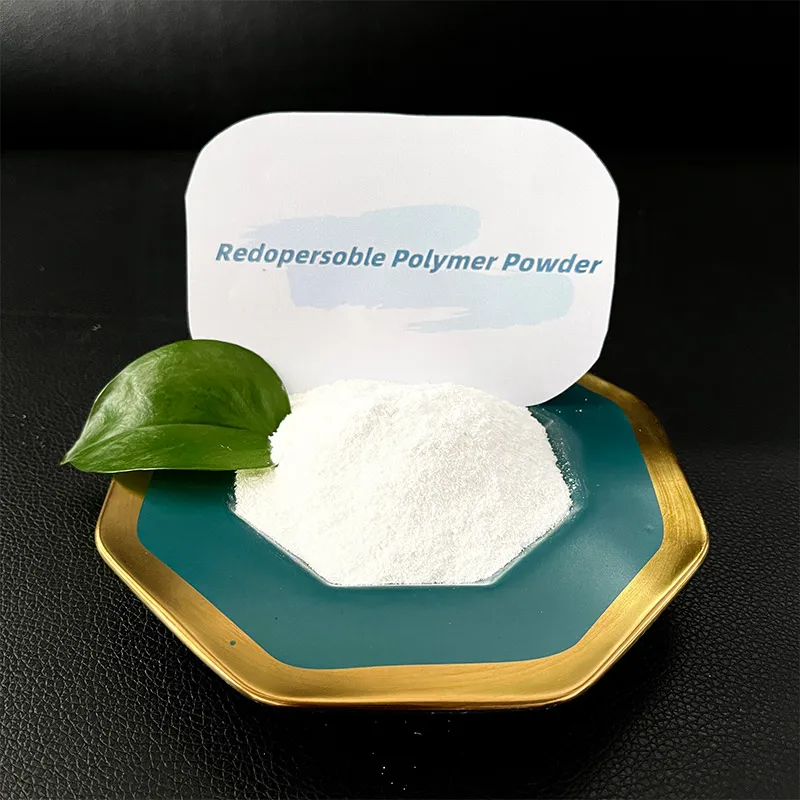


Modified starch is a versatile ingredient used across a wide range of industries, from food production to pharmaceuticals and construction. Among the different modified starch types , each serves a unique purpose, depending on the specific needs of the application. Modified starch is produced by altering the structure of natural starch to improve its properties, such as solubility, texture, and resistance to temperature changes. This adaptability makes it a key component in industries where high-performance materials are required. Understanding the various modified starch types is crucial for selecting the right product for each application. For example, some types of modified starches are designed to enhance the texture and mouthfeel of processed foods, while others are used as thickening agents or binders in adhesives, paints, and coatings. In this article, we will explore the different modified starch types , their uses, and how starch ether and its related products, like starch ether China , are driving innovation across industries. The Role of Starch Ether in Modern Manufacturing One of the key innovations in the world of modified starch is starch ether , a derivative of starch that has been chemically altered to provide enhanced functionality. Starch ether is typically used to modify the water retention, adhesion, and texture of starch-based products, making it invaluable in industries such as construction, textiles, and personal care. The versatility of starch ether makes it suitable for a broad range of applications, from improving the consistency of building materials to enhancing the properties of cosmetics and pharmaceuticals. The addition of starch ether to various products imparts superior binding capabilities, better viscosity control, and improved stability. For instance, in the production of starch ether China , which is a widely sourced product for global manufacturers, the ether modification allows for superior performance in products such as adhesives, paints, and coatings. Its ability to control the flow and viscosity of liquids is crucial in applications where consistency is important, such as in the formulation of emulsions and gels. Understanding Starch Ether Uses Across Industries Starch ether uses extend far beyond the food industry, where starch is most commonly associated. In fact, starch ether is increasingly being adopted in numerous industrial applications due to its ability to enhance the performance of products in areas like construction, pharmaceuticals, and personal care. Some of the most common starch ether uses include serving as a thickening agent, stabilizer, binder, and dispersing agent. In the construction industry, for example, starch ether is often included in the formulation of cement and gypsum-based products, such as tile adhesives and plasters. It improves the workability and water retention of these materials, ensuring they stay moist for longer periods during application, which is crucial for proper curing. In pharmaceuticals, starch ether uses as a binder in tablet formulations improve the compressibility and disintegration properties, enhancing the effectiveness and ease of use of the medications. The personal care sector also benefits from starch ether uses , especially in products like lotions, creams, and shampoos. It helps stabilize emulsions, improve texture, and enhance the product's spreadability, making it easier for consumers to apply and absorb. With its wide range of applications, starch ether proves to be a vital component in modern manufacturing processes across industries. Starch Ether China: Leading the Way in Global Production China plays a pivotal role in the global production and supply of starch ether , offering a wide range of products to meet the needs of international markets. Starch ether China has become synonymous with high-quality, cost-effective solutions for manufacturers around the world. The country's advanced manufacturing facilities, combined with its large-scale agricultural production of starch, make it a leading producer of modified starch and starch ether products. The demand for starch ether China continues to grow as industries increasingly turn to modified starch for its numerous benefits. One of the advantages of sourcing starch ether China is the ability to access competitively priced products without sacrificing quality. Chinese manufacturers are constantly innovating and improving their processes, ensuring that starch ether China remains at the forefront of the global market. Whether for use in food production, construction materials, or cosmetics, Chinese suppliers are able to meet the diverse needs of customers around the world. Factors Affecting Starch Ether Price and How to Get the Best Value When it comes to purchasing starch ether , one of the key factors that businesses need to consider is the starch ether price . The cost of starch ether can vary depending on several factors, such as raw material availability, manufacturing processes, and global supply chains. Understanding these factors is essential for businesses looking to optimize their procurement strategy and ensure they get the best value for their investment. Starch ether price is typically influenced by the cost of the underlying starch, as well as the complexity of the modification process required to produce the ether. Additionally, fluctuations in the global demand for modified starches can impact the price, as industries in food production, construction, and personal care all seek to incorporate starch ether into their formulations. Supply chain dynamics, including transportation costs and regional production capabilities, also play a role in determining the final price. To get the best value, businesses should work closely with suppliers to understand the market trends and identify opportunities for bulk purchasing or long-term contracts. When sourcing from countries like China, which offer starch ether China at competitive prices, companies can benefit from lower costs without compromising on quality. Additionally, it is important to consider the overall performance benefits that starch ether provides, as these can offset initial price differences by enhancing the quality and functionality of the final product. M odified starch types , starch ether , and their various applications play a crucial role in a wide array of industries. From improving the workability of construction materials to enhancing the texture of personal care products, starch ether is a vital component in modern manufacturing processes. With starch ether China emerging as a leading supplier on the global market, businesses now have access to high-quality products at competitive prices. By understanding the various starch ether uses and factors that influence starch ether price , companies can make informed decisions to maximize the benefits of these versatile and sustainable materials.
- 40000tons

Production
- 20+years

Experience
- 5000+㎡

Acreage

-

Acid-modified starch, an innovative alteration of native starch, has garnered attention for its unique properties and versatile applications in various industries. Derived from botanical sources such as corn, potato, or tapioca, the product undergoes controlled acidic treatment to modify the starch granules, enhancing its characteristics to meet specific industrial needs. This process involves reducing the molecular weight of the starch, thereby increasing solubility and altering its gelatinization and viscosity properties. One of the prime benefits of acid-modified starch is its role in the food industry, particularly in the manufacturing of confectionery products. Its ability to form clear, firm gels and to stabilize emulsions makes it indispensable in creating the perfect texture for gummy candies, jellies, and other gelatinous sweets. Unlike native starch, acid-modified starch doesn't break down under high temperatures, making it ideal for processes that require cooking or heating, without compromising the quality or appearance of the final product. Beyond confectionery, acid-modified starch plays a critical role in the paper industry . It acts as a surface sizing agent, enhancing the strength and printability of paper. This application not only improves the efficiency of ink usage but also contributes to the smoothness and gloss of the paper, which is essential for high-quality print jobs. Additionally, in the textile industry, its film-forming ability helps in improving the fabric's hand feel, adding weight and stiffening materials, which is crucial in specific apparel manufacturing processes. From an environmental perspective, the use of acid-modified starch as a biodegradable and renewable resource stands out, aligning with the global thrust towards sustainability. This positions the starch as a preferable alternative to petroleum-based products, particularly in packaging applications where reduction of environmental impact is highly prioritized. acid modified starch Experts within the chemical modification sector emphasize the significance of precision in the acid modification process. Achieving consistent product quality demands expertise in adjusting treatment parameters such as pH level, reaction time, and temperature. Leading manufacturers who specialize in starch modification employ rigorous quality control measures and leverage advanced technology to ensure the end product meets stringent industry standards, thereby establishing their authority and trustworthiness in the market. The science behind acid-modified starch also extends to its application in pharmaceuticals, where its improved solubility and disintegration properties enhance the bioavailability of active ingredients. This makes it an essential component in the formulation of tablets and capsules, contributing to more efficient drug delivery systems. Industry leaders and researchers continue to explore new frontiers for acid-modified starch, investigating its potential as a carrier for bioactive compounds or as an ingredient in 3D printing edible objects. These innovations underscore the evolving applications and growing importance of this functional ingredient in aligning industry trends with consumer demands. For companies considering the incorporation of acid-modified starch into their product lines, it's vital to collaborate with experienced suppliers who can provide not just high-quality starch but also insights and technical support tailored to specific applications. As the uses of acid-modified starch extend across industries, staying informed and engaging with knowledgeable experts will ensure businesses can harness its full potential effectively and sustainably.
-
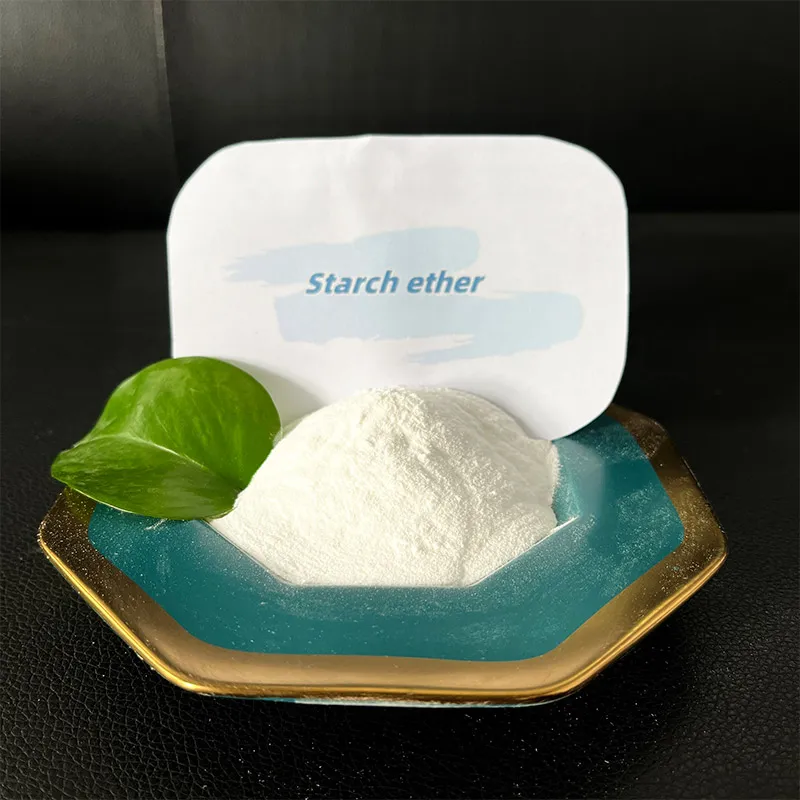
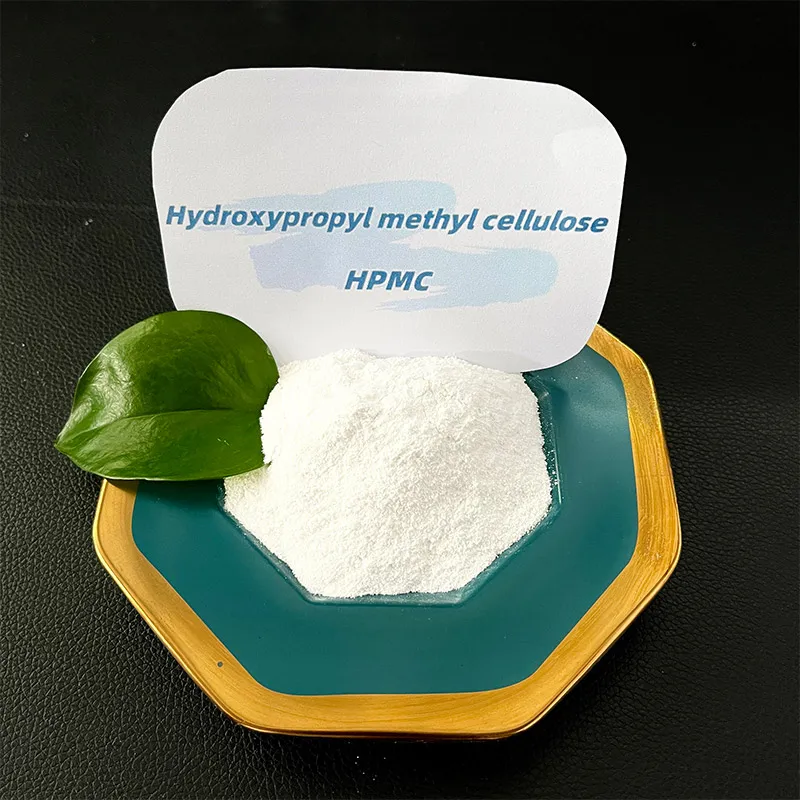
Hydroxypropyl methylcellulose 2208 , a highly versatile compound, stands at the forefront of numerous industrial applications due to its exceptional properties and efficacy. Widely recognized in the fields of pharmaceuticals, food manufacturing, and construction, this compound is celebrated for its ability to encapsulate, bind, and thicken with remarkable efficiency. In the pharmaceutical sector, hydroxypropyl methylcellulose 2208 serves as an essential ingredient in the production of controlled-release formulations. Its unique viscosity and gel-forming capabilities ensure the consistent release of active ingredients, thereby enhancing the therapeutic efficacy of medications. Experienced pharmacists often laud this compound for its stability under various pH conditions, which guarantees maximum absorption in the digestive tract. Clinical trials consistently demonstrate its safety and non-toxicity, reinforcing the trust medical professionals place in its use. In the realm of food technology, hydroxypropyl methylcellulose 2208 is acknowledged as a food additive that optimizes texture and consistency. Its ability to act as an emulsifier and stabilizer is particularly valued in the production of low-fat dairy and bakery products. Culinary experts often highlight its role in improving mouthfeel and extending shelf life, providing a more satisfactory experience for consumers. Given its plant-derived origin, it meets the growing demand for vegetarian and vegan-friendly additives, thereby aligning with modern dietary preferences. hydroxypropyl methylcellulose 2208 The construction industry finds hydroxypropyl methylcellulose 2208 indispensable, especially in cement-based applications. As a highly effective water retention agent and workability enhancer, it improves the adhesion and durability of mortars and plasters. Professional builders and craftsmen appreciate its contribution to reducing shrinkage and cracking, ultimately leading to more robust and long-lasting structures. Technical data consistently supports its superior performance in high-stress environments, making it a go-to choice for industry leaders aiming to achieve excellence and innovation. From an environmental perspective, hydroxypropyl methylcellulose 2208 is a compound that shines. Being biodegradable and derived from natural sources, it meets the sustainability criteria that modern industries strive for. Environmental scientists and sustainability experts commend its role in reducing carbon footprints and promoting eco-friendly industrial practices. Its integration into sustainable product lines showcases how advances in material science can align with global efforts to protect the planet. Overall, hydroxypropyl methylcellulose 2208 is a testament to scientific advancement and industrial versatility. Through extensive research and real-world application, it commands respect and trust across various sectors. Its continuous evolution and adaptability resonate with industry experts who are committed to excellence in their fields. As global trends continue to push for innovation and sustainability, hydroxypropyl methylcellulose 2208 remains a key player, inspiring confidence with its authoritative presence and trusted solutions.
advantages
-

200000 Viscosities
Excellent product
We can produce pure products up to 200,000 viscosities
-

40000 tons
High yield
We don’t stop production all year round, and the annual output can reach 40,000 tons
-

24 hours
Quality service
We provide 24-hours online reception service, welcome to consult at any time
———— Inquiry Form
Schedule A services
-
 hpmc_selulosa
Oct . 25, 2025
The detergent industry is experiencing a subtle yet significant revolution, and at the forefront of -
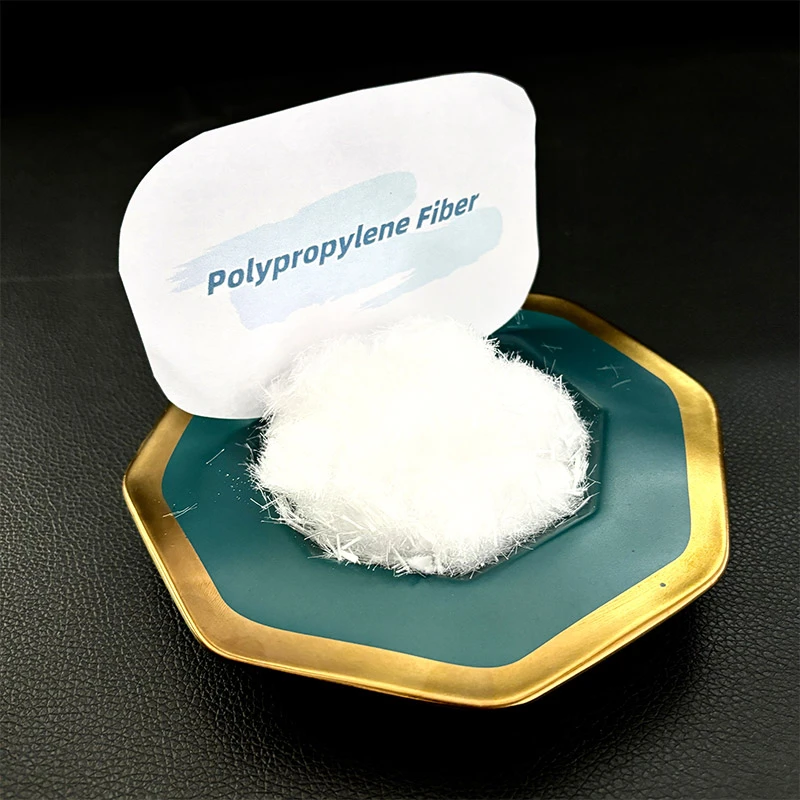 mga_aplikasyon_ng_polypropylene_fiber
Oct . 25, 2025
Rubber powder —the micronized particles produced from waste or virgin rubber—has emerged as an essen -
 hpmc_viscosity_table
Oct . 25, 2025
Hypromellose, also known as hydroxypropyl methylcellulose (HPMC) , is a versatile and widely used in


